
Having previously worked with Roy Mordechay in the context of group shows in our gallery and an art fair in Paris, we are delighted to now devote a solo exhibition at the Van der Grinten Galerie to his work. This show is also a watershed in our gallery history, as it will be the last presentation at our venue in the Gertrudenstraße. Our 10-year lease comes to an end in June 2026 and we will be relocating.
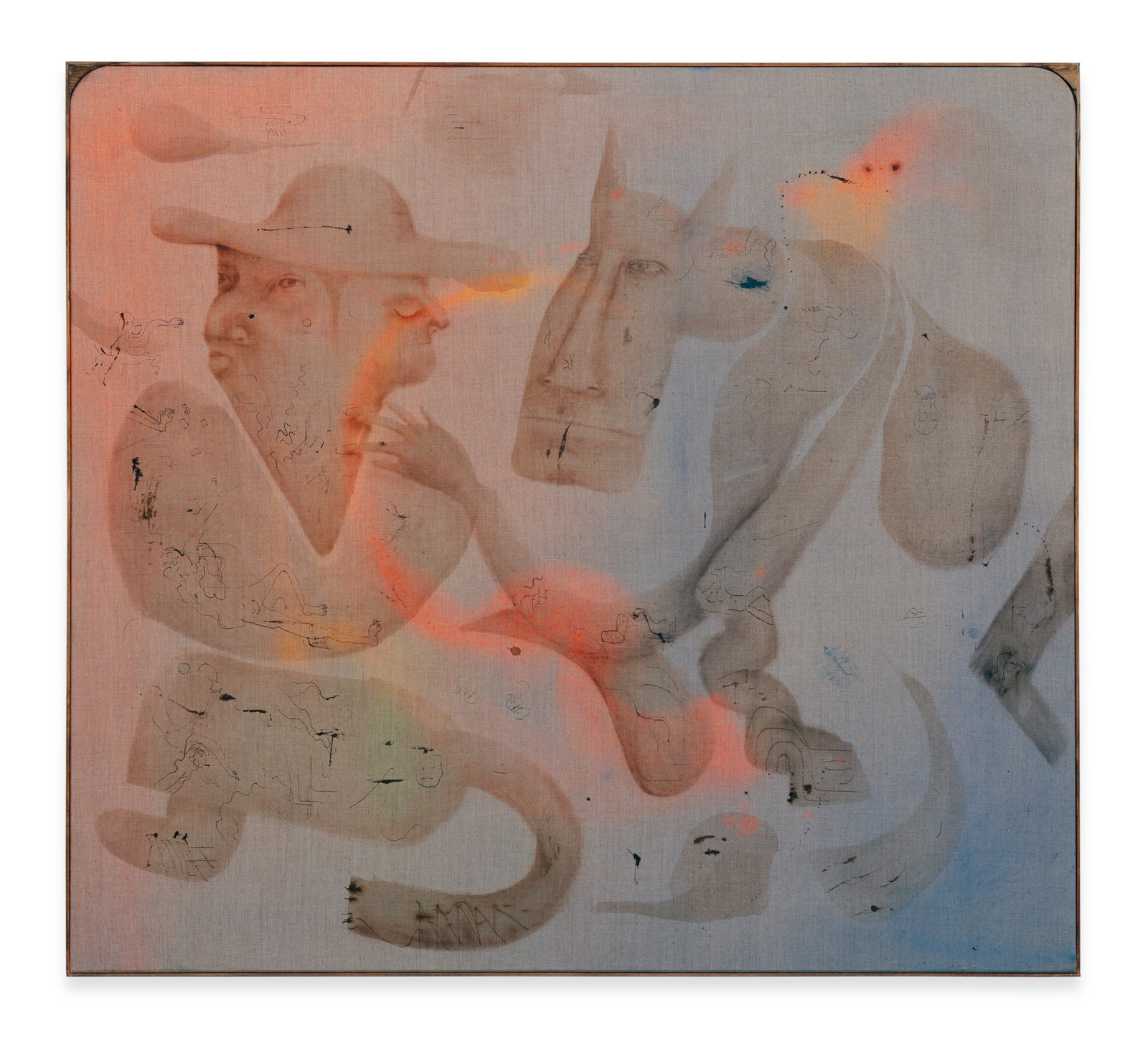
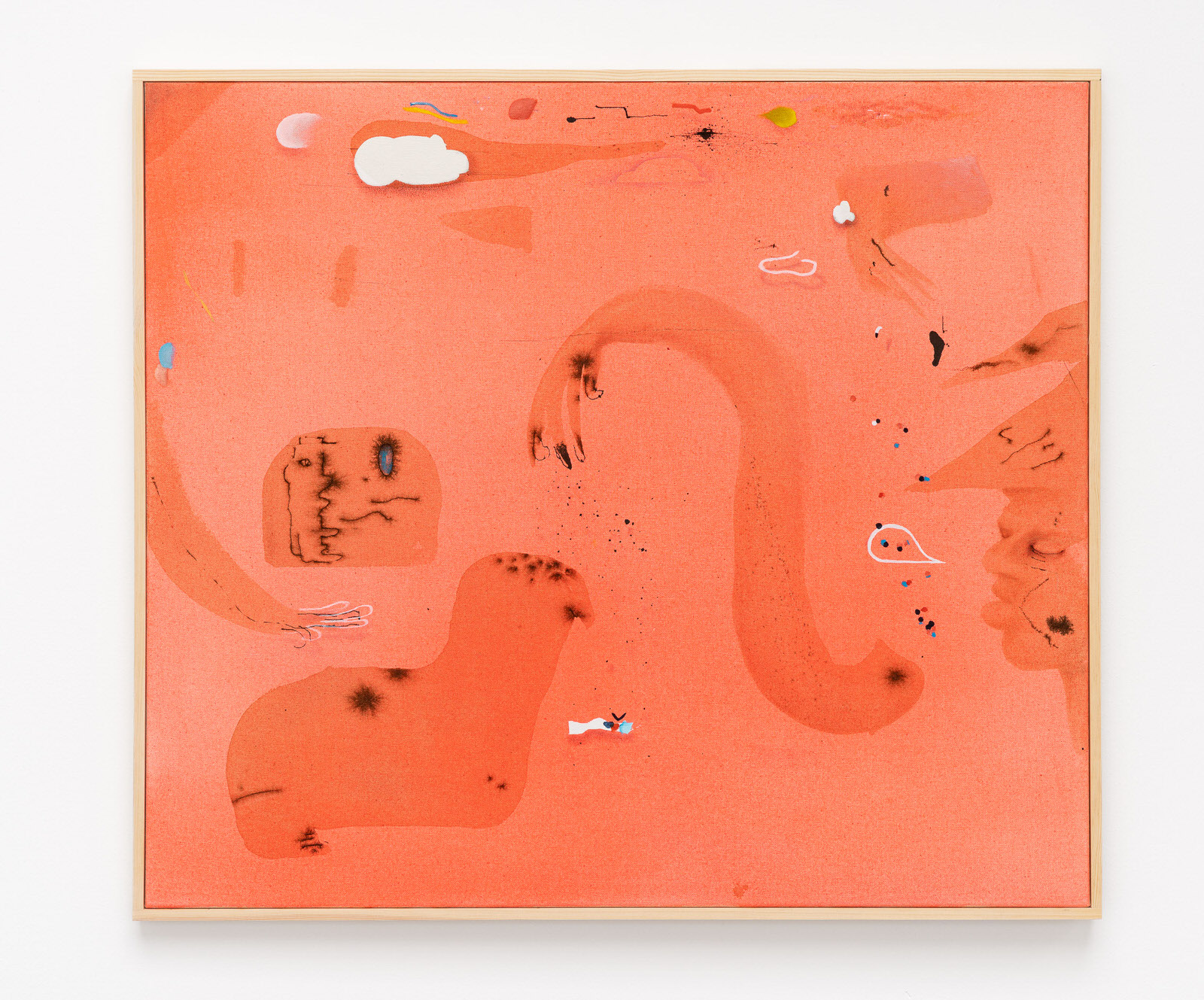
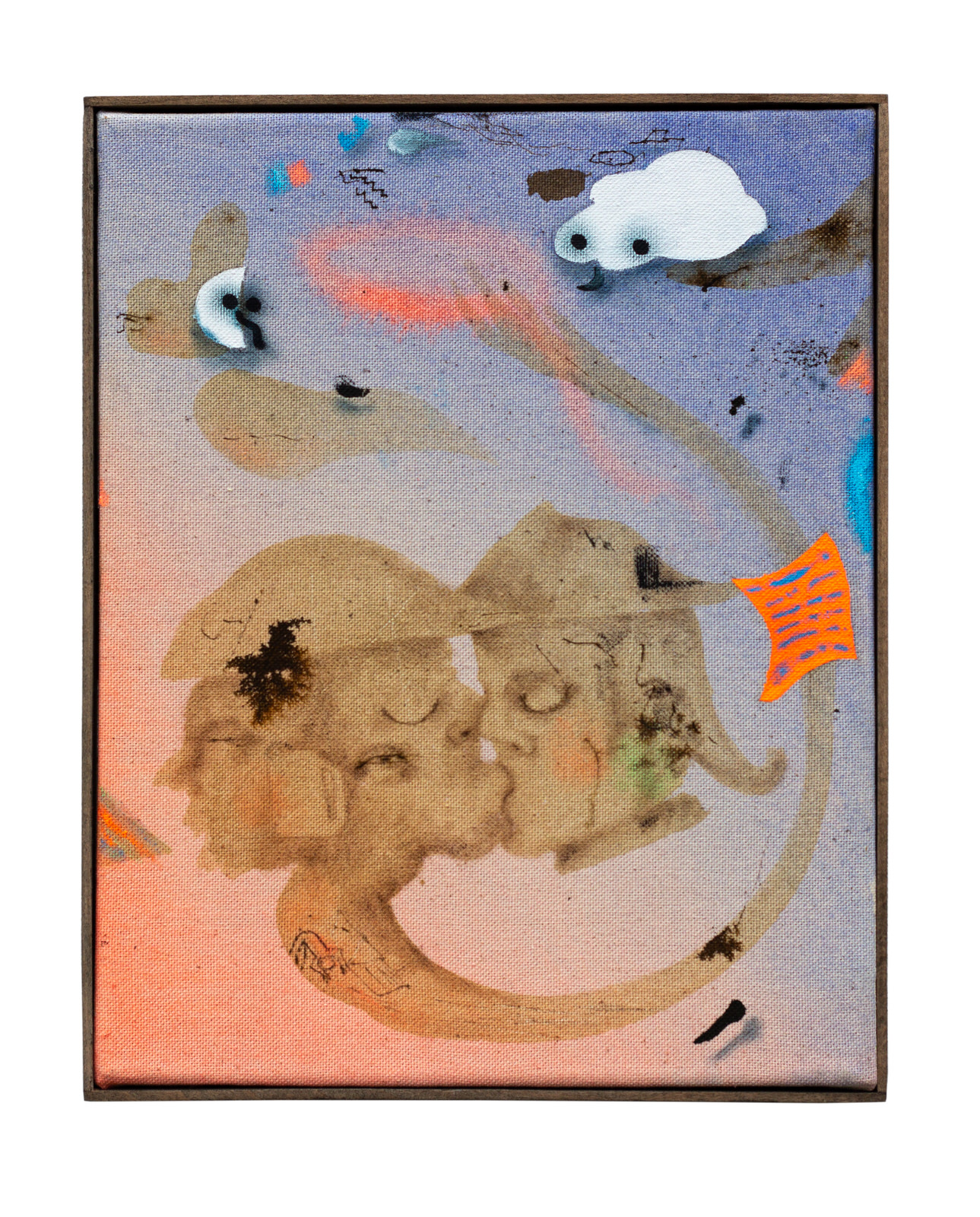
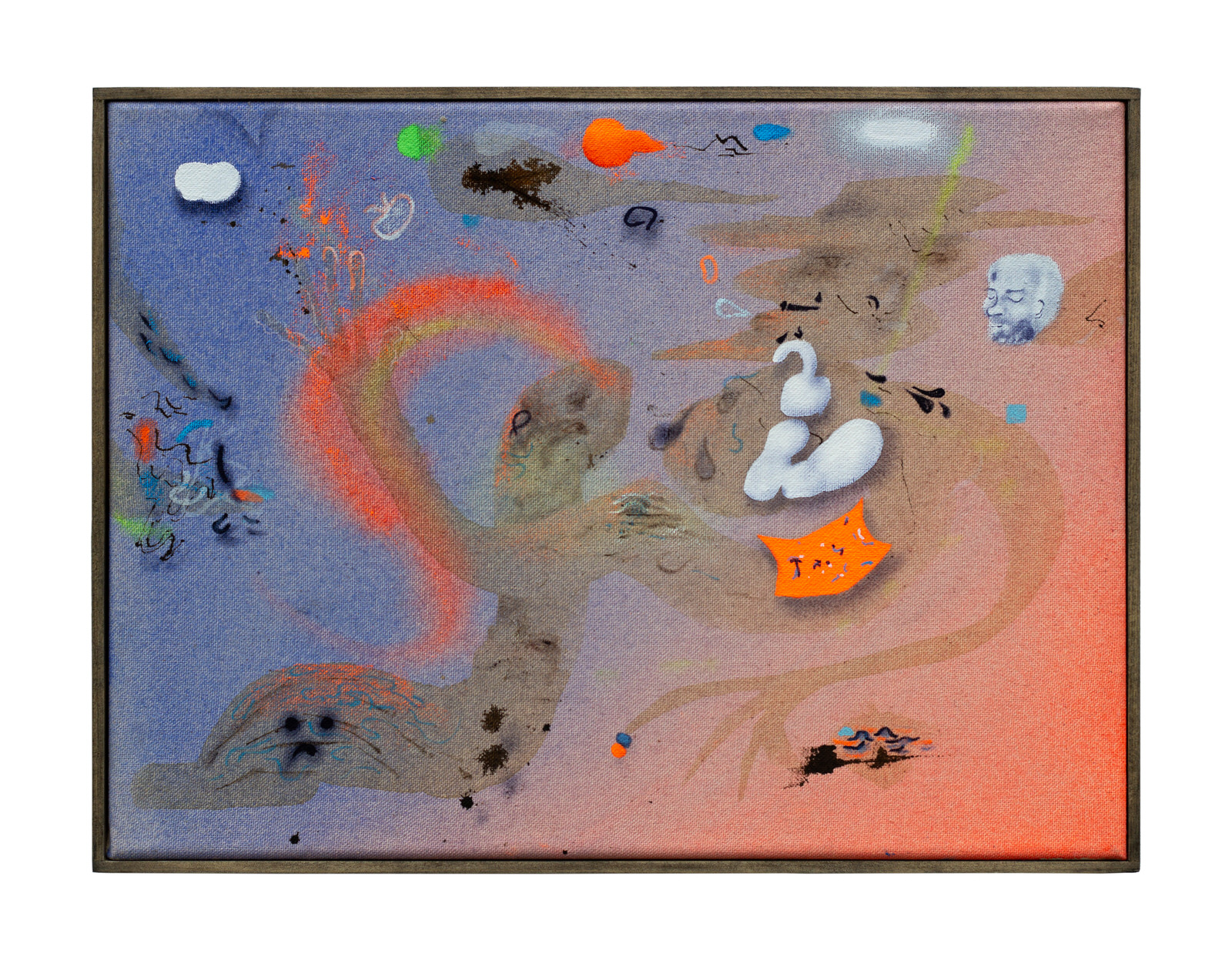
In this new exhibition Roy Mordechay dovetails his pictorial world with the physical space, which has the structure and ambiance of a three-room bel étage flat in an historical building. The presentation evolves in three series of paintings that were created in the period from 2022 to 2026. Each series gives rise to its own conceptual image field – via color and form as well as line and configuration – comparable to a musical trio in which various instrumental voices resonate with each other, overlap, and react to one another.
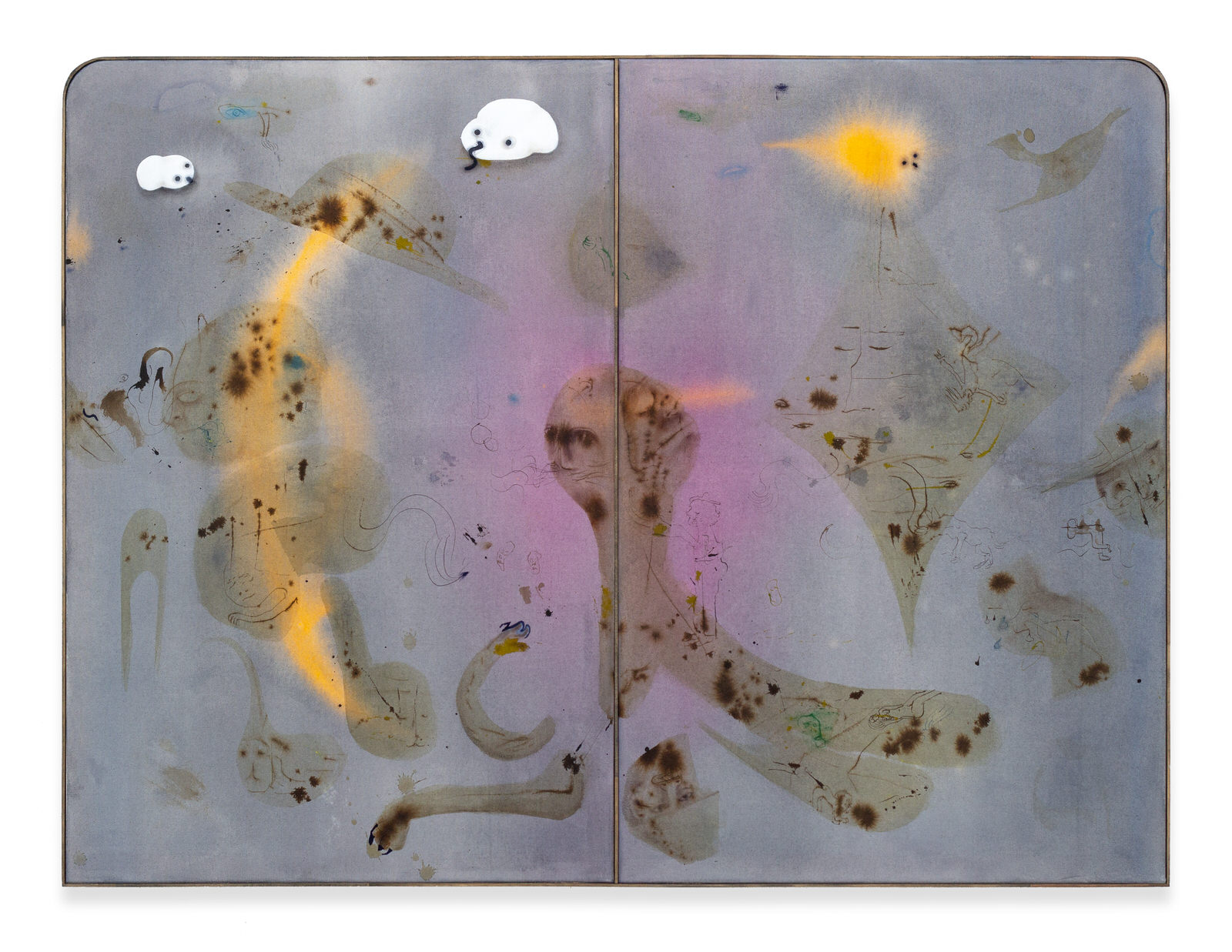
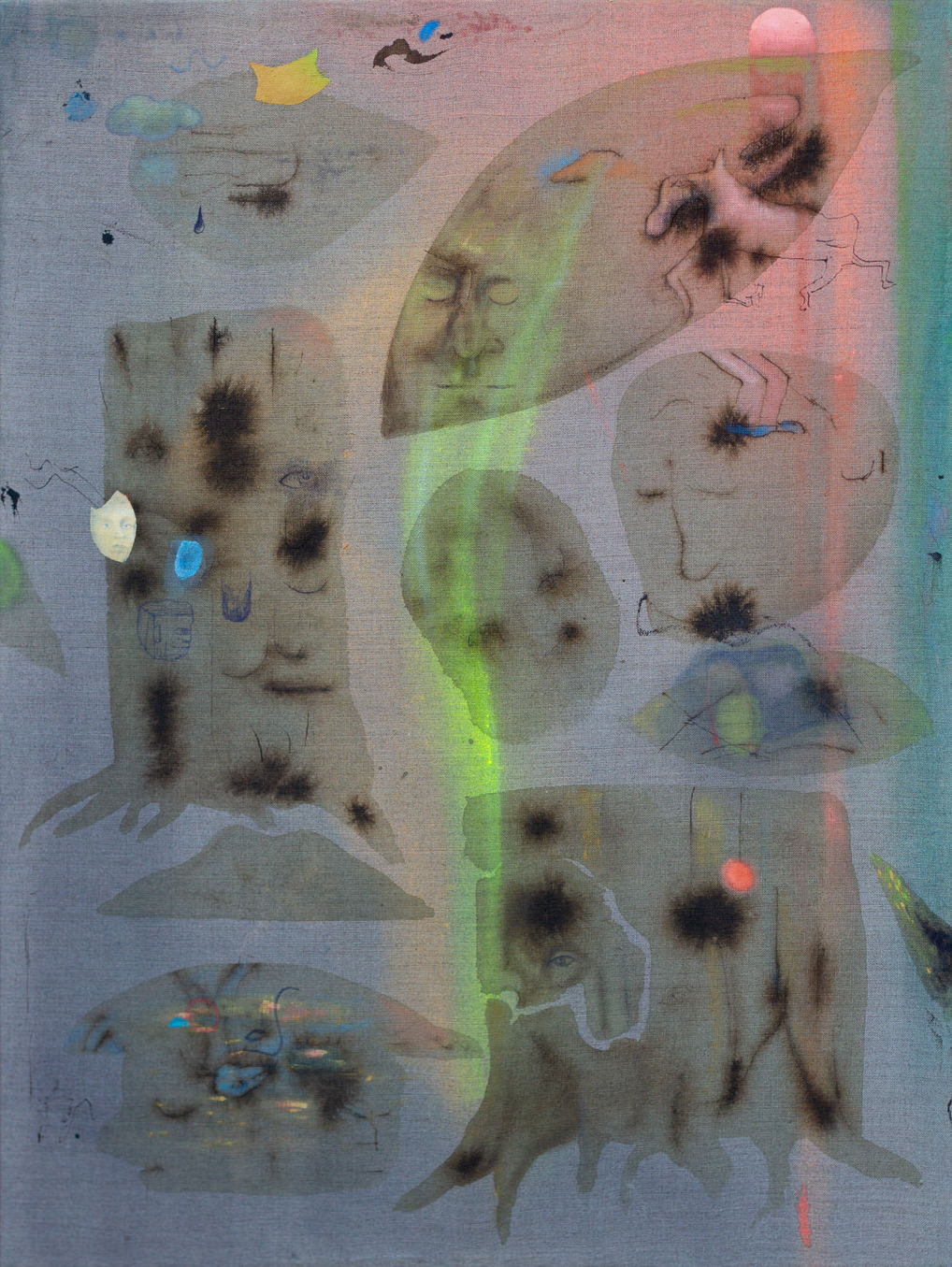
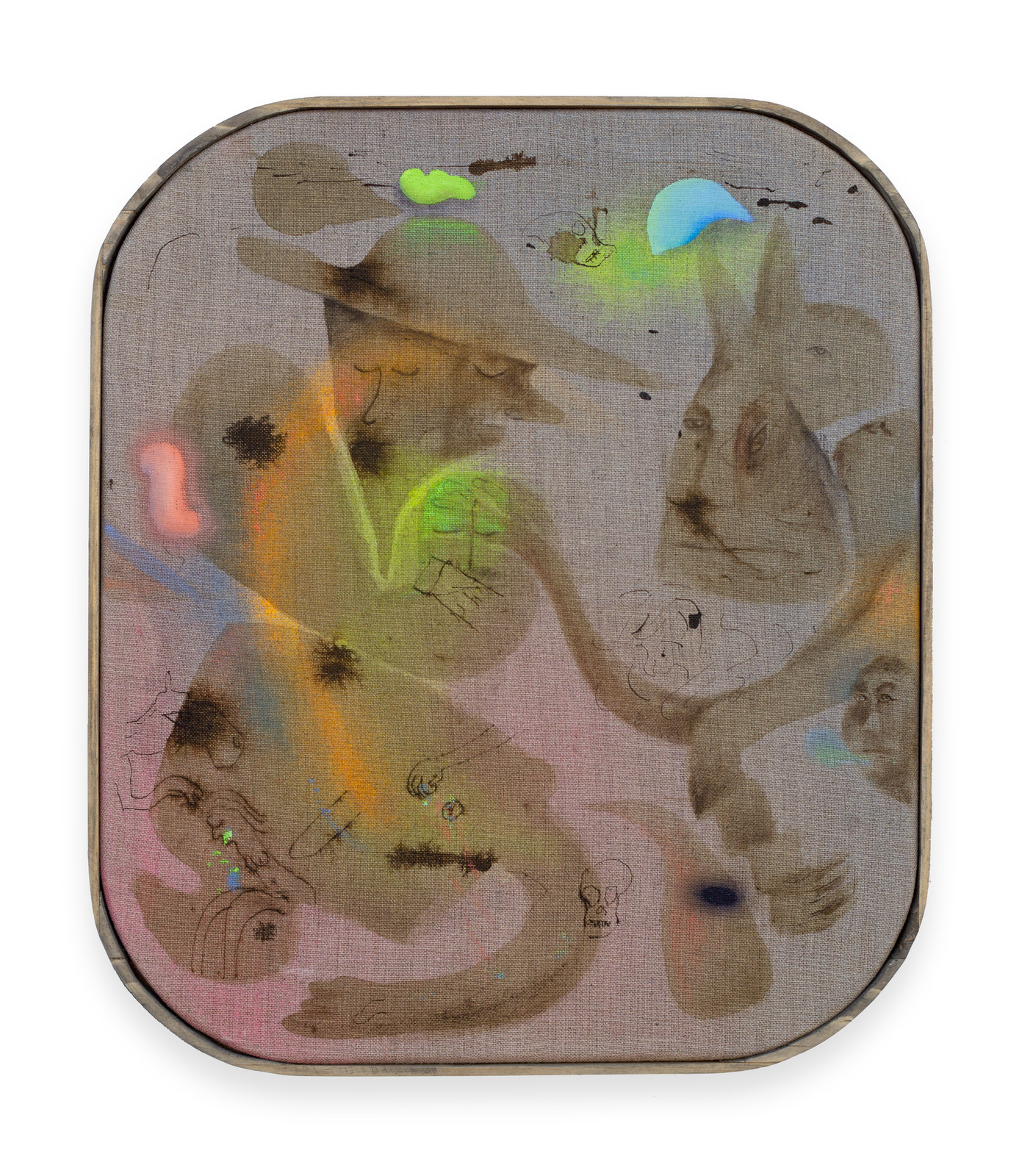
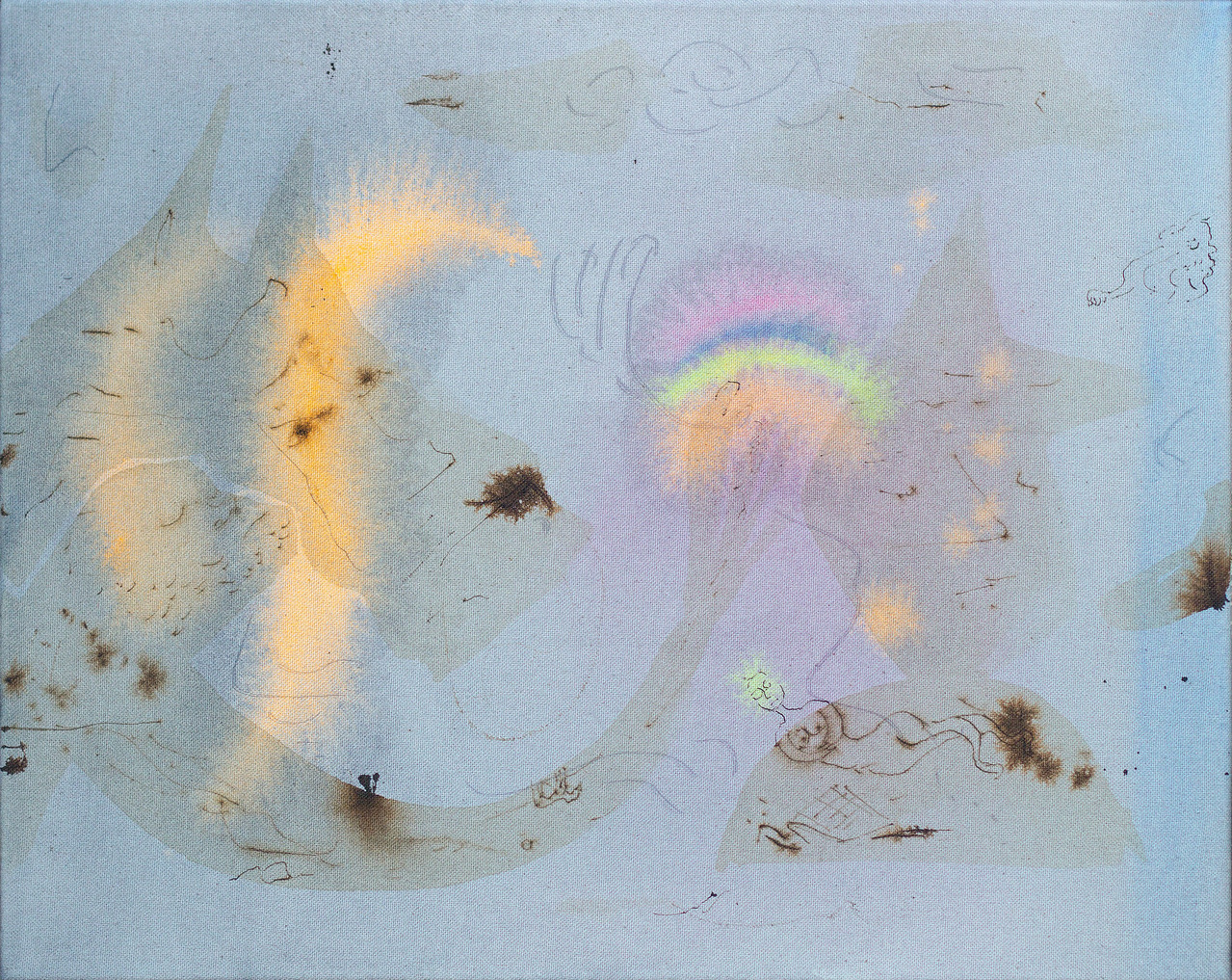
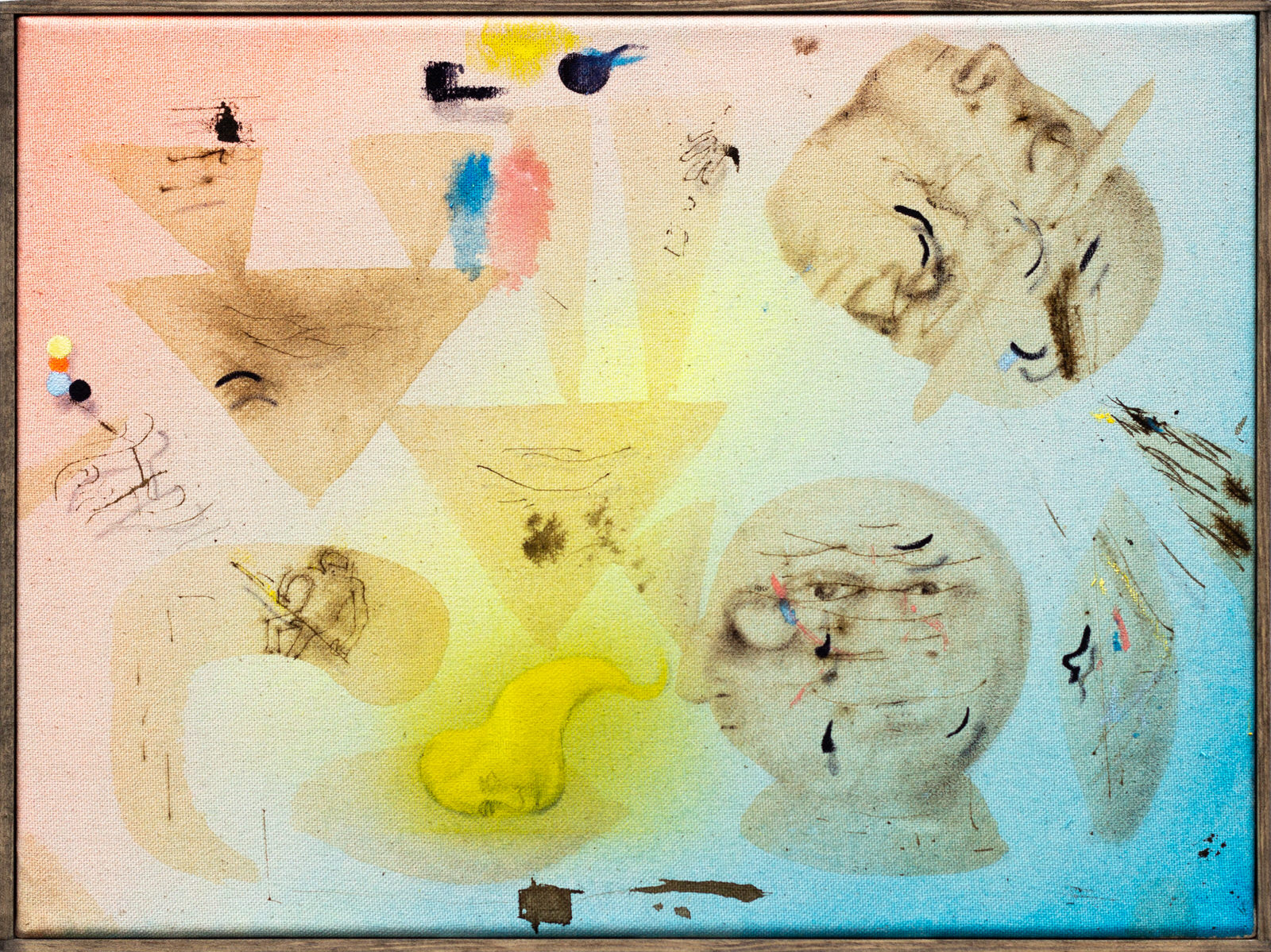
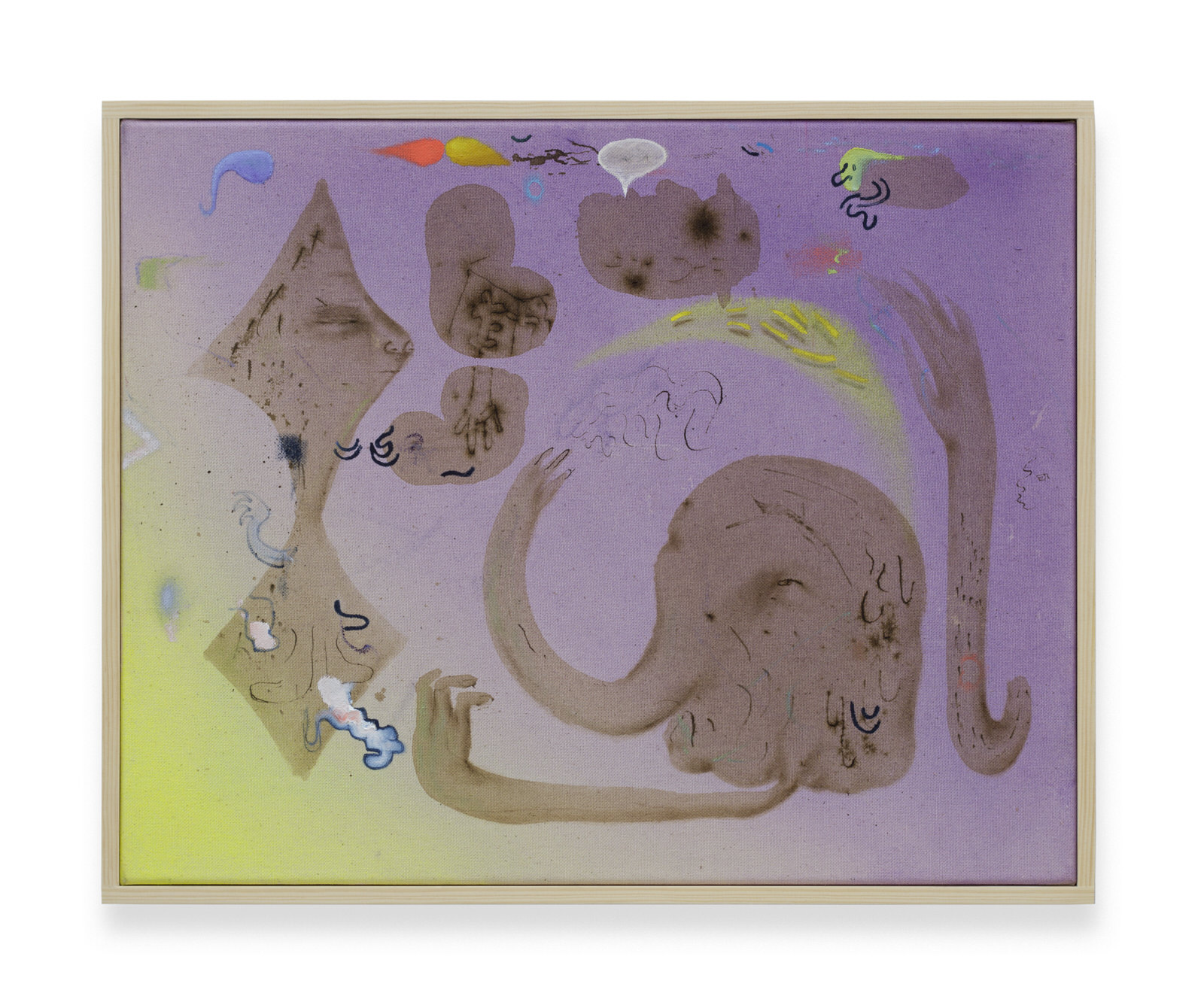
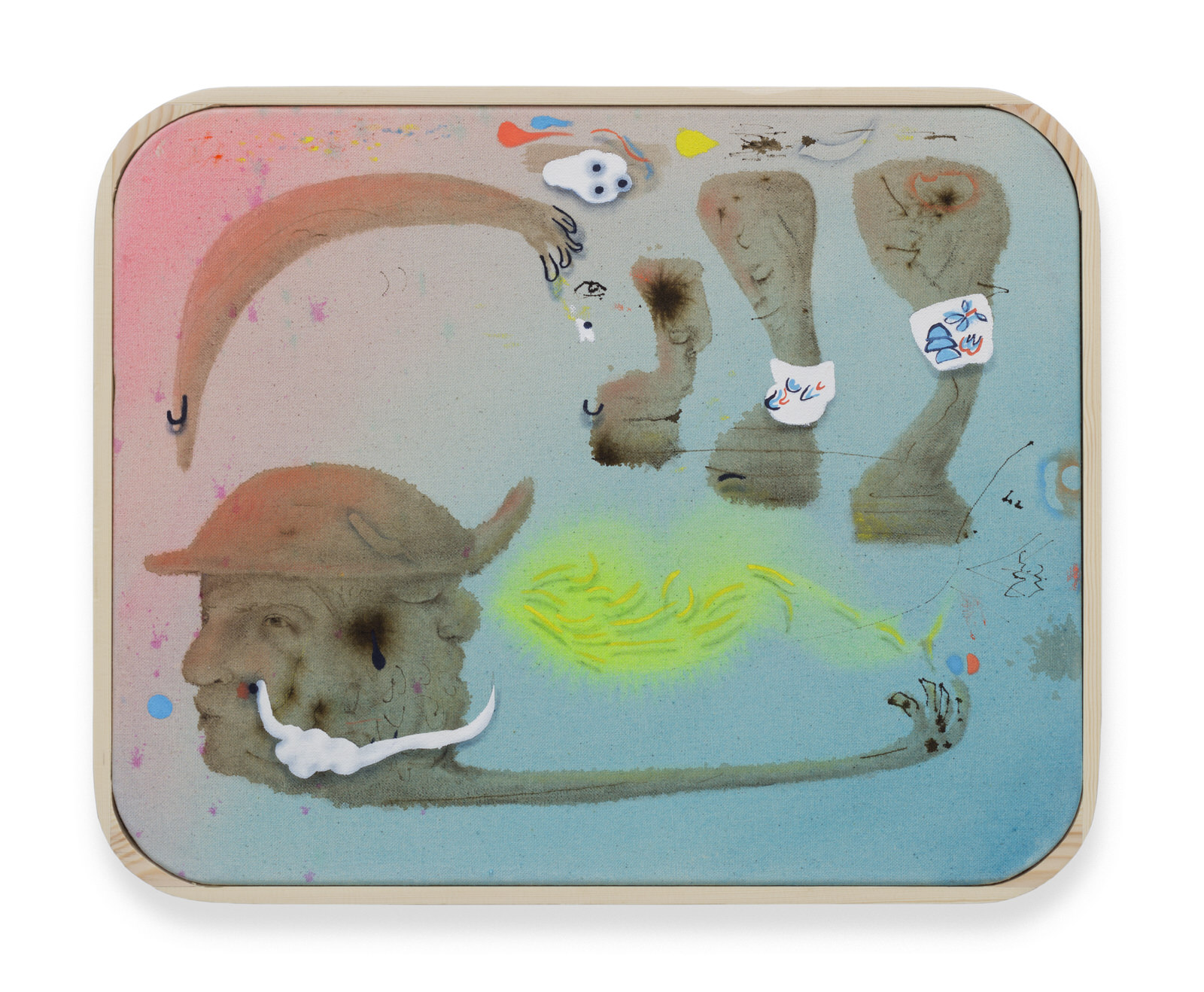
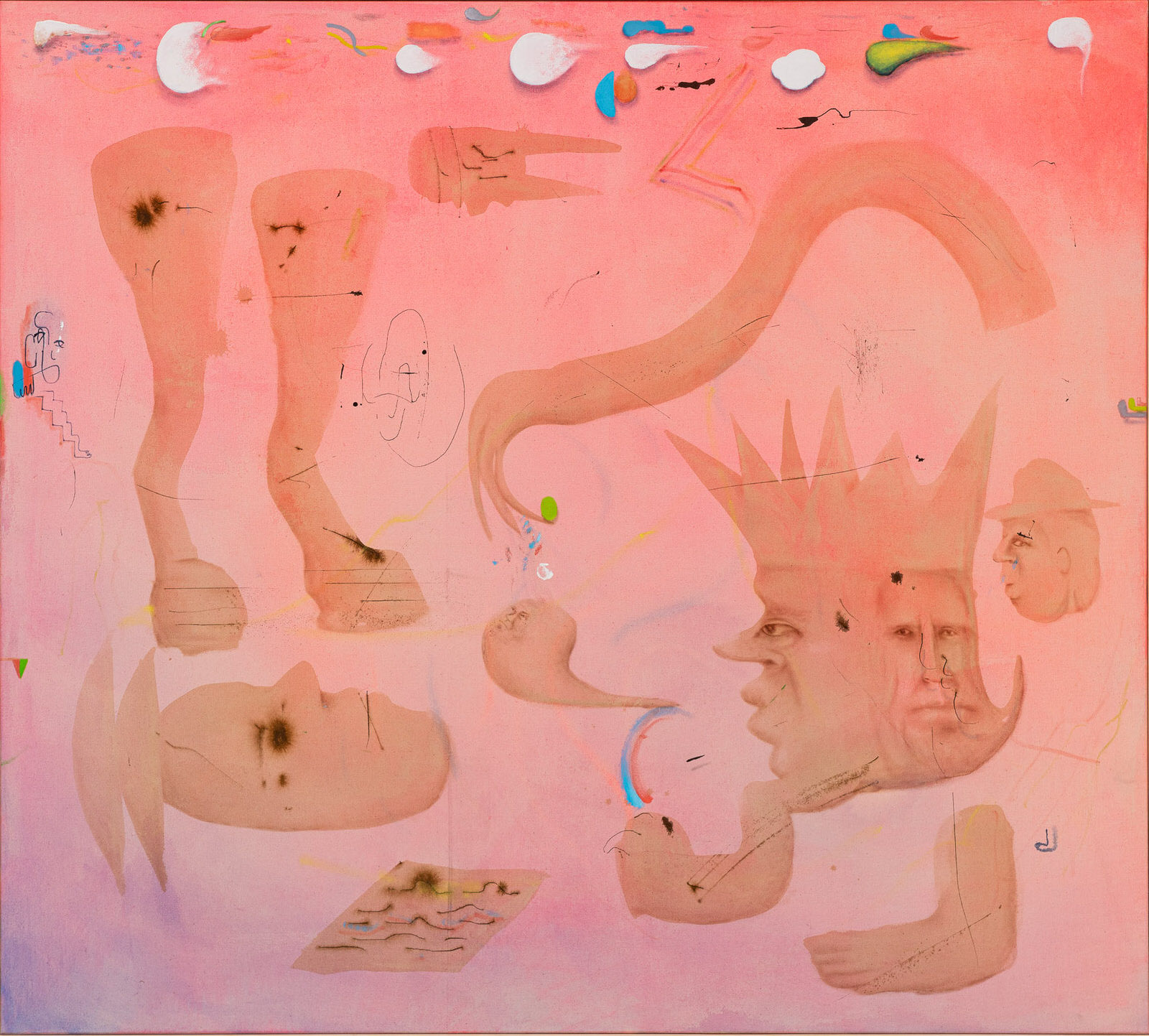
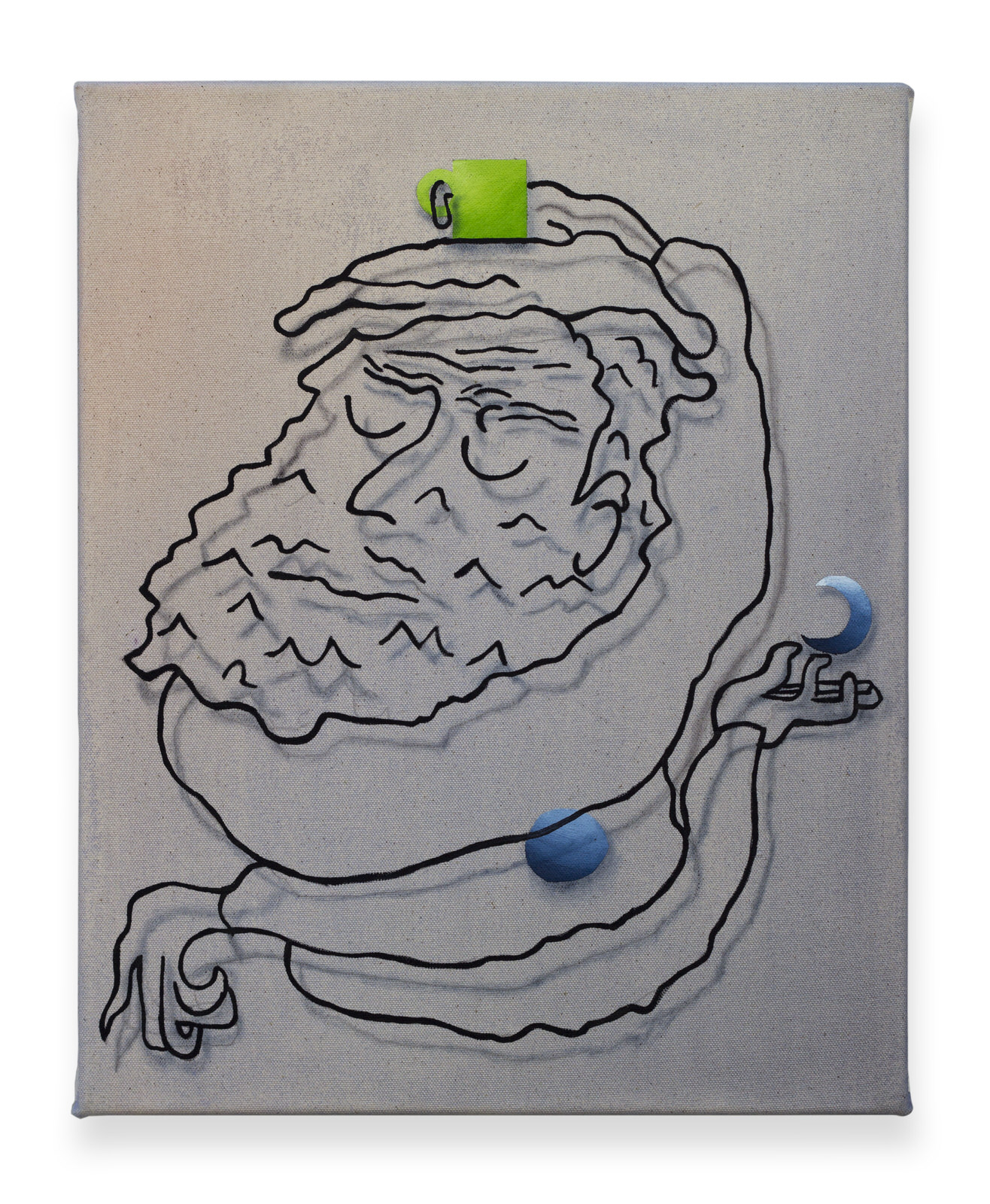
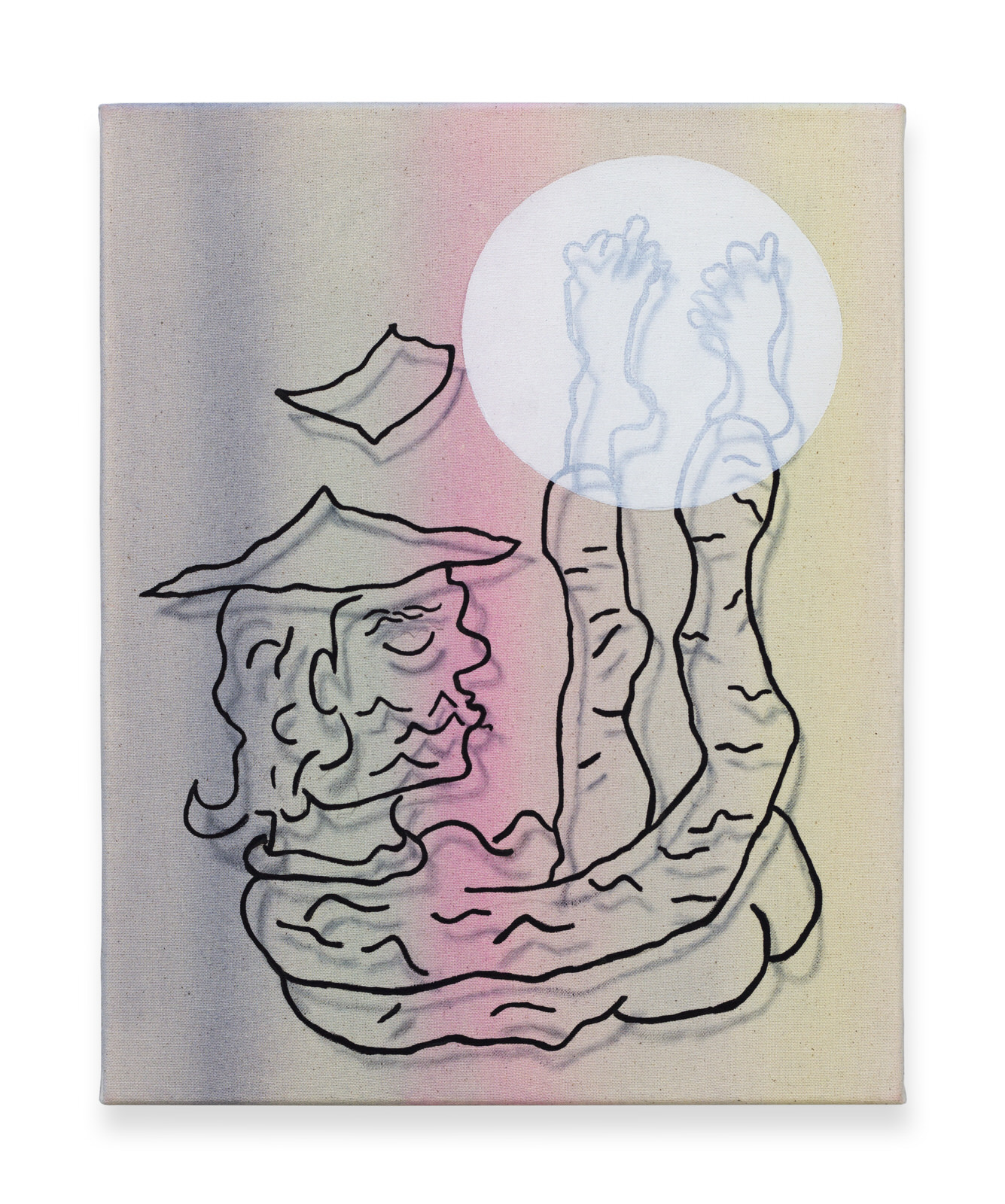
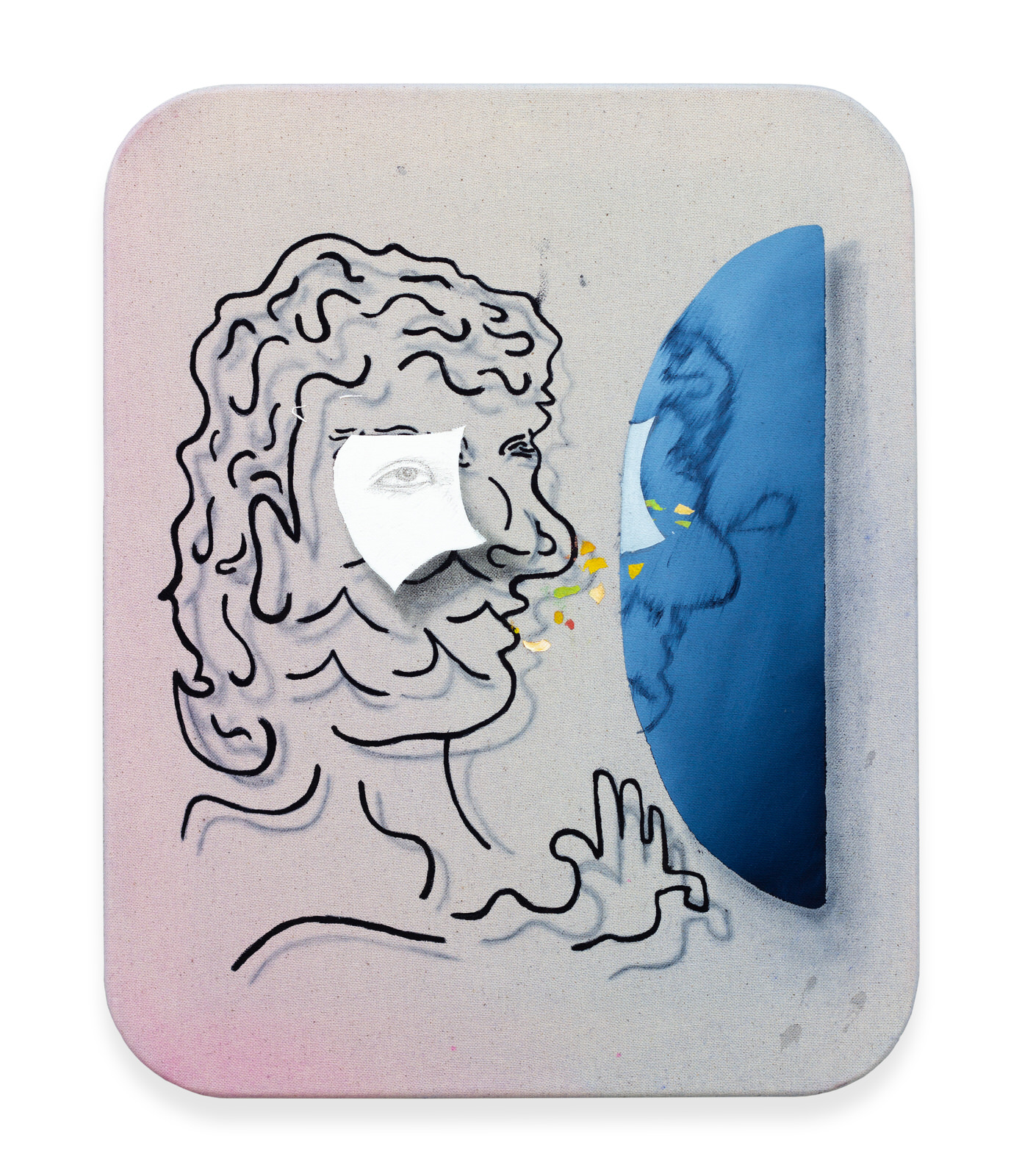
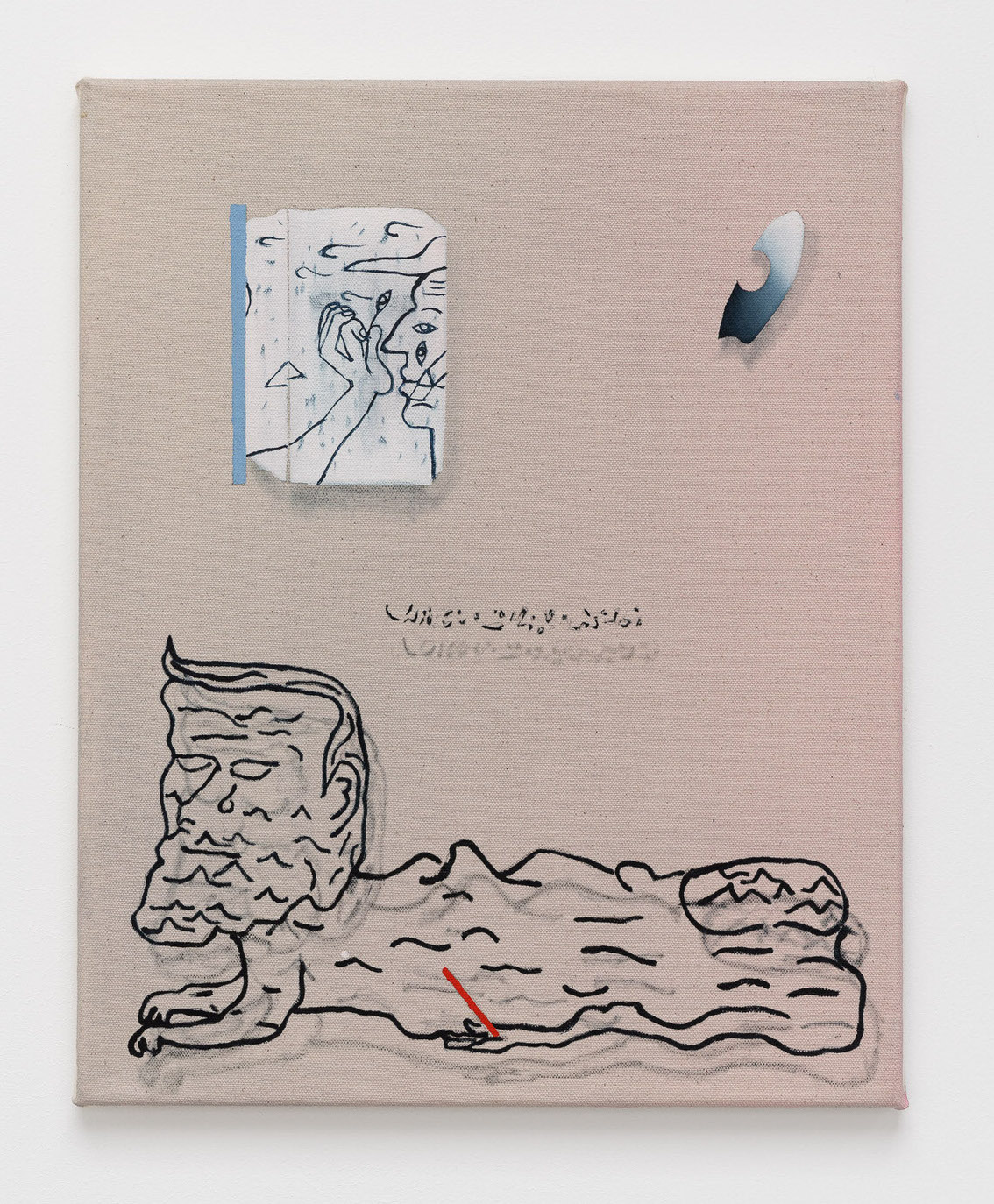
Mordechay’s paintings are like fragments of dreams; a collection of enigmatic elements that beg to be decoded, prompting the viewer to seek the key to insight and understanding. One is also tempted to reconstruct the story and significance behind them, often to no avail. Like the title of the show, Triangle Bubbles, the titles Mordechay gives his paintings are poetic and evocative. They stimulate associations and inner images and underscore the ambiguous character of the artworks.
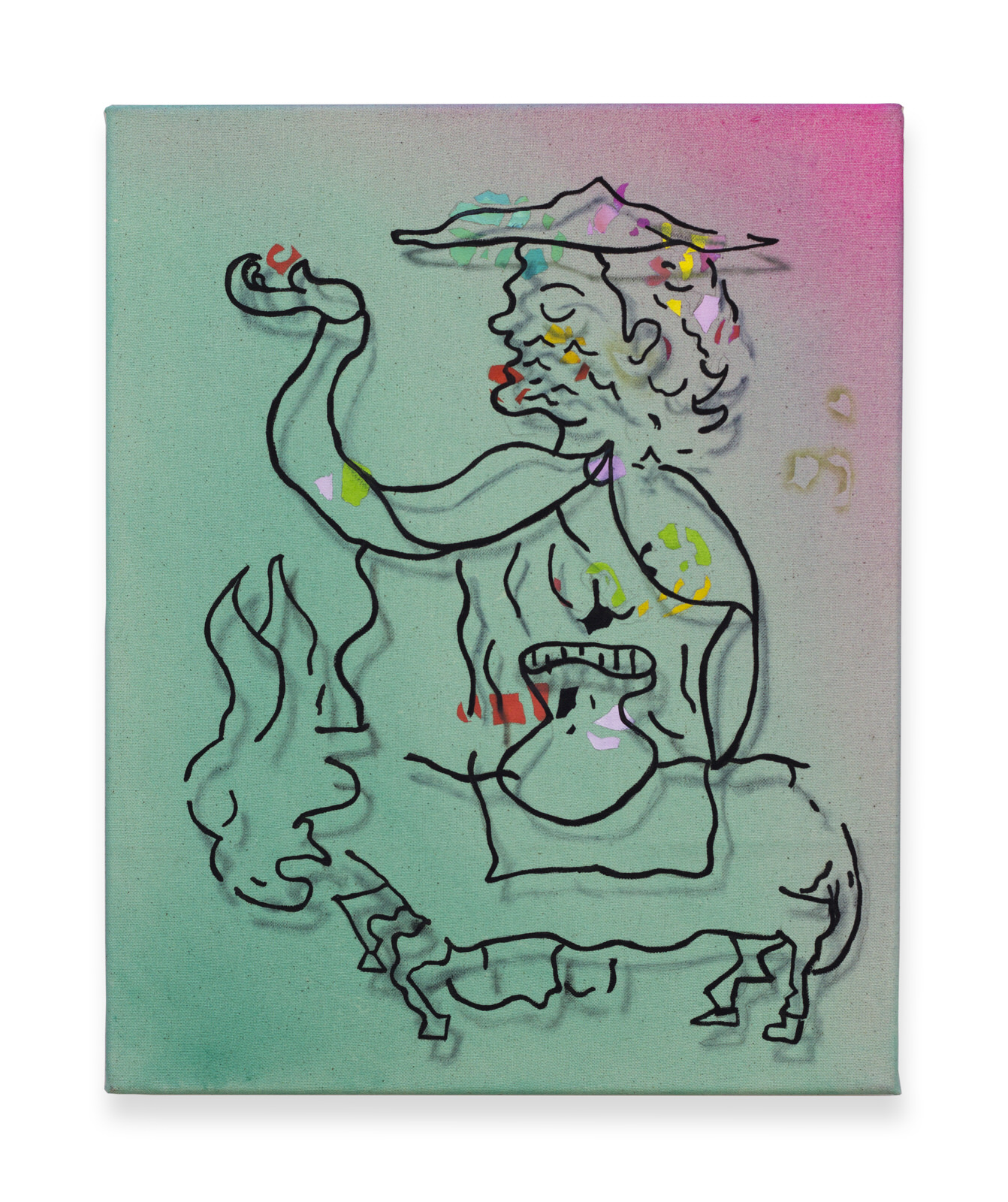
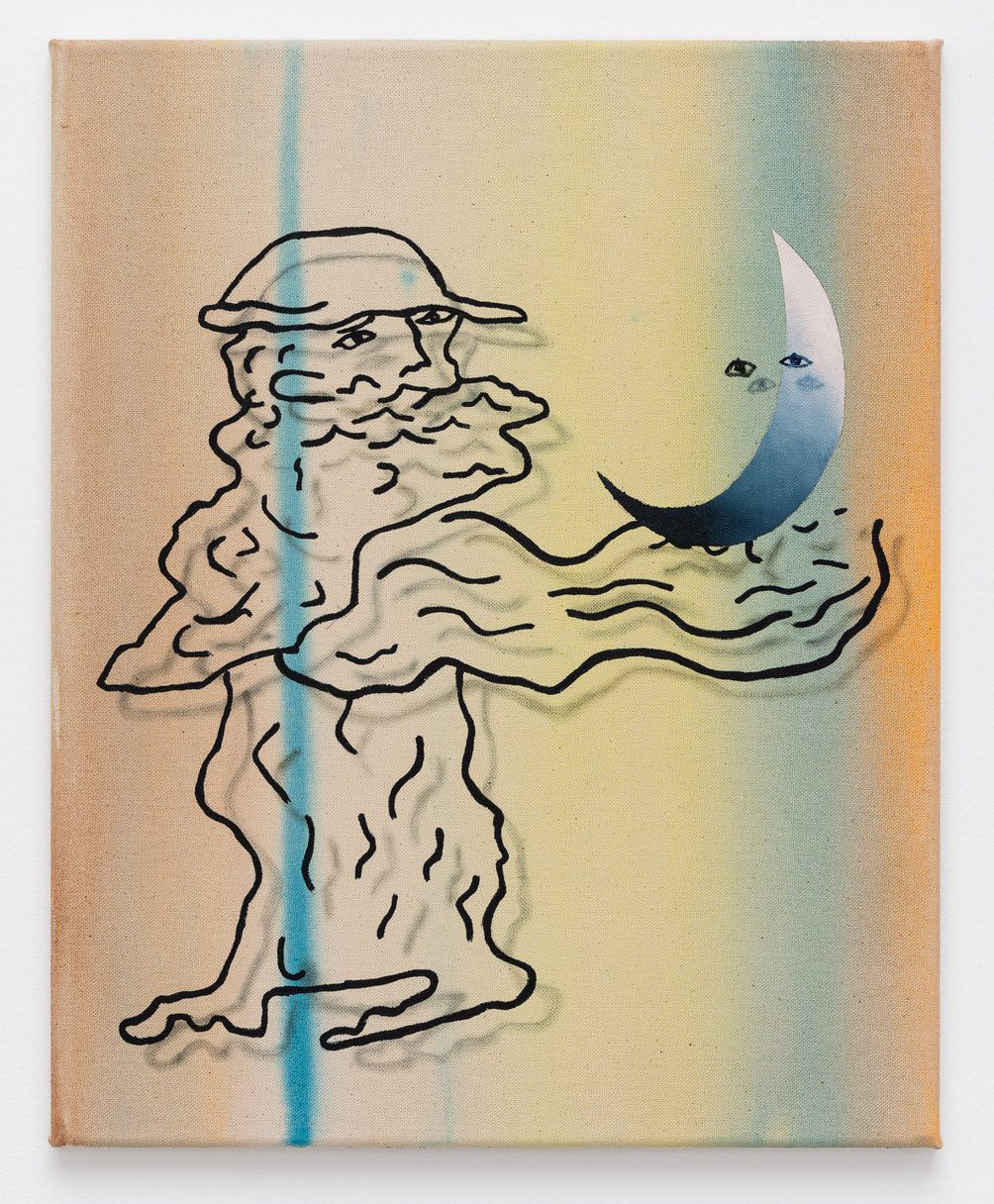
Similar to the cryptic works of Wassily Kandinsky, Joan Miró and Marc Chagall, Mordechay’s compositions prompt a variety of interpretations and analyses. Characteristics of both drawing and painting meet on the canvas, with its raw, textile-like structure against a background of color gradients in soft aquarelle tones, reminiscent of a luminous computer/TV screen. The painted elements are sometimes transparent, sometimes opaque, some figurative, other abstract; they are in some cases fragments, clearly separate from each other, while at times they partially merge into each other.
Unfettered by dictates of uniformity or rules of perspective, the shapes, figures, signs and symbols float like a complex alphabet across the entire surface on various levels of the pictorial space. The motifs in strong, saturated colors (like the little white clouds or the neon orange in An Archive Dream, 2024), seem very close up, almost relief-like, as if they were protruding from the canvas. Others appear shadow-like; transparent silhouettes that recede into the background and meld with it. Splotches of brown ink bleed out within the shapes, becoming stars, forming an eye or lending the fleeting figures greater vivacity (as in Hide and Seek, 2025). Here and there, above the painted silhouettes or in the empty spaces between, we find scribblings of black or brown lines. Some of them are figurative drawings of easily recognizable motifs – a face, a body, figures that appear like fine-lined tattoos on some of the brownish, skin-like surfaces (as in The Secret, 2025); others are reminiscent of graffiti, of notation lines, abstract drawings or – as Mordechay puts it – “the body as a sketchbook”.
The multitude of symbols and motifs reminds us of the flood of visual information that we encounter daily on screens, in print and other media and urban signage. At the same time they reflect the rich store of historical images and visual references that are the legacy of human history and cultures from which Mordechay draws his inspiration.
Some of the paintings in the show appear to be somewhat less complex and thus easier to “read”: they comprise, as a rule, a single main element, a figure drawn in thick black lines against a pastel background, often accompanied by two or three clearly defined elements in color (Hold on, 2025). The uneven, almost tremulous line of the drawing could just as well be the product of a finger on a touch screen, while the manner in which the figures are stylized lend them a powerful presence. The shadows that the black line casts on the canvas also create the illusion of three-dimensionality, so that the shapes appear to float.
The viewer of Roy Mordechay’s painting feels compelled to read, recognize, connect and comprehend these clues and references, to discover what the faces large and small, the shadows, colors, inscriptions, motifs and symbols mean. One wants to make sense of it all, searches for meaning, for logic, an interpretation. And yet: everything is free-floating, open; all interpretations are possible and any story may be told.
***
Roy Mordechay (*born 1976 in Haifa) studied from 1999 to 2002 at the Avni Institut of Art and Design in Tel Aviv. In 2014, a grant from the Lepsien Art Foundation brought him to Düsseldorf, where he has since continued to live and work. In 2025, Mordechay was one of four finalists, with his design for a monumental stained glass window, in an international art competition for the Cologne Cathedral: ‟Kölner Dom zum christlich-jüdischen Verhältnis heute„. His work is also currently on view until 25.04.26 in the exhibition „Die Szene“ at the Bilker Bunker, Düsseldorf.
Opening
–